Midtown and the Central West End · Grand Center
Grand Center, where the curtains go up
On a few blocks of Grand Boulevard, a 1929 movie palace, a symphony hall, a concrete gallery built around water and a contemporary art museum stand within a short walk of each other.
In the 1920s, Grand Boulevard at Washington and Olive was a second downtown, crowded with movie palaces, theaters, hotels and dance halls. Streetcars brought crowds from all over the city to its bright marquees. Then came the long decline of midtown, and many of those buildings closed or fell. By the 1970s whole blocks stood empty, and the district's survival was far from certain. The revival came slowly, one restored theater and one new gallery at a time, and the gaps between them are still filling. What survived, and what came later, now makes up Grand Center, the city's arts district, a few blocks of theaters, concert halls and galleries north of Saint Louis University.
The Fox Theatre
The Fox Theatre opened on Grand Boulevard in 1929, a movie palace built on a scale few cities ever saw. Its interior is an extravagant mix of styles, often called Siamese Byzantine, with elephants, lions, columns, gilt and a vast domed ceiling. The façade on Grand is the part everyone can see: a tall terracotta front with arched windows and a big marquee.
The theater declined with midtown and closed in the late 1970s. It was restored and reopened in 1982, and it now hosts touring shows and concerts. Even from the sidewalk you can sense the size of the place: the front runs high above the street, crowded with ornament, and the long side walls stretch back most of a block. If you have no ticket, the façade alone repays a walk past, best after dark when the marquee is lit. Tours of the interior have been offered at times; check whether they run when you plan to be there.
Powell Hall
A short walk away, Powell Hall has been the home of the St. Louis Symphony Orchestra since 1968. It began life as a movie palace too, opened in the 1920s, and was converted for the orchestra, keeping much of its ornate interior. Its acoustics are well regarded.
The hall has recently been through a major renovation and expansion, with new space added. Performance schedules, programs and which parts of the building are open change, so look up the season before you plan around a concert. A symphony evening here is one of the classic nights out in the city.
The orchestra itself is one of the oldest in the country, founded in the 1880s, and it has long been a point of civic pride. Concerts draw a mixed crowd, from students in jeans to longtime subscribers dressed for the evening, and there is no dress code worth worrying about. Arrive early enough to look around the lobby before the lights go down.
The Pulitzer and the contemporary art museum
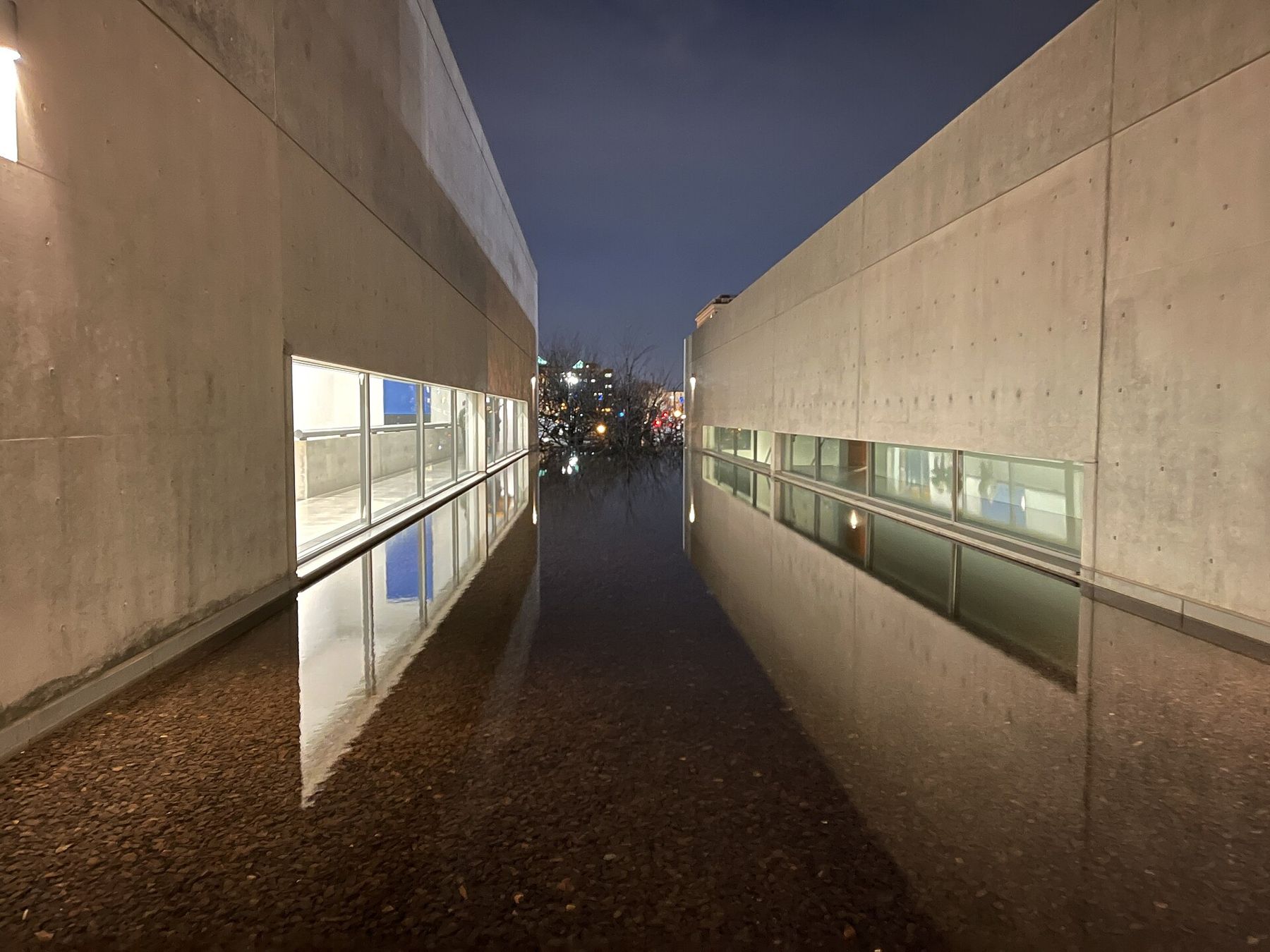
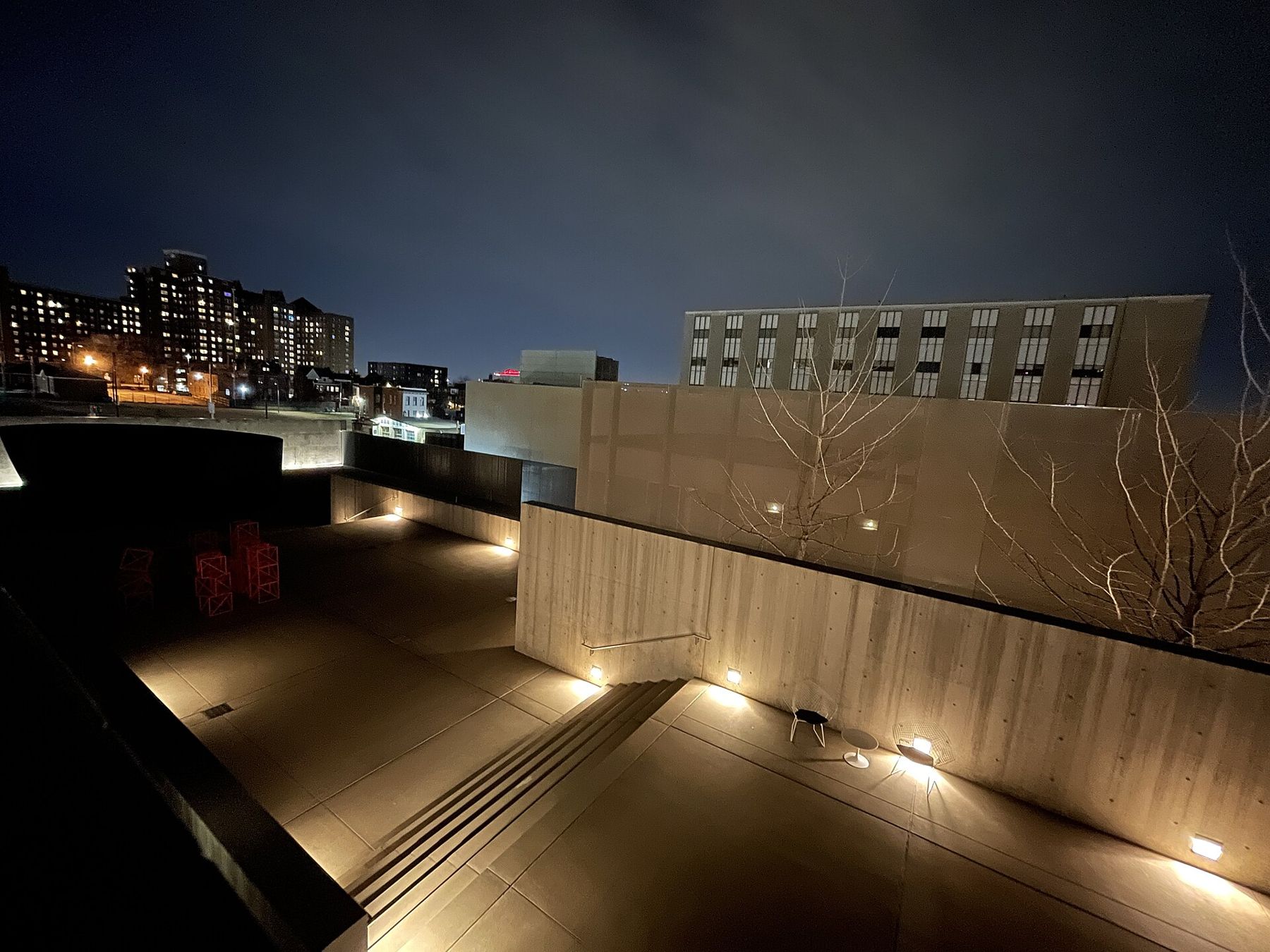
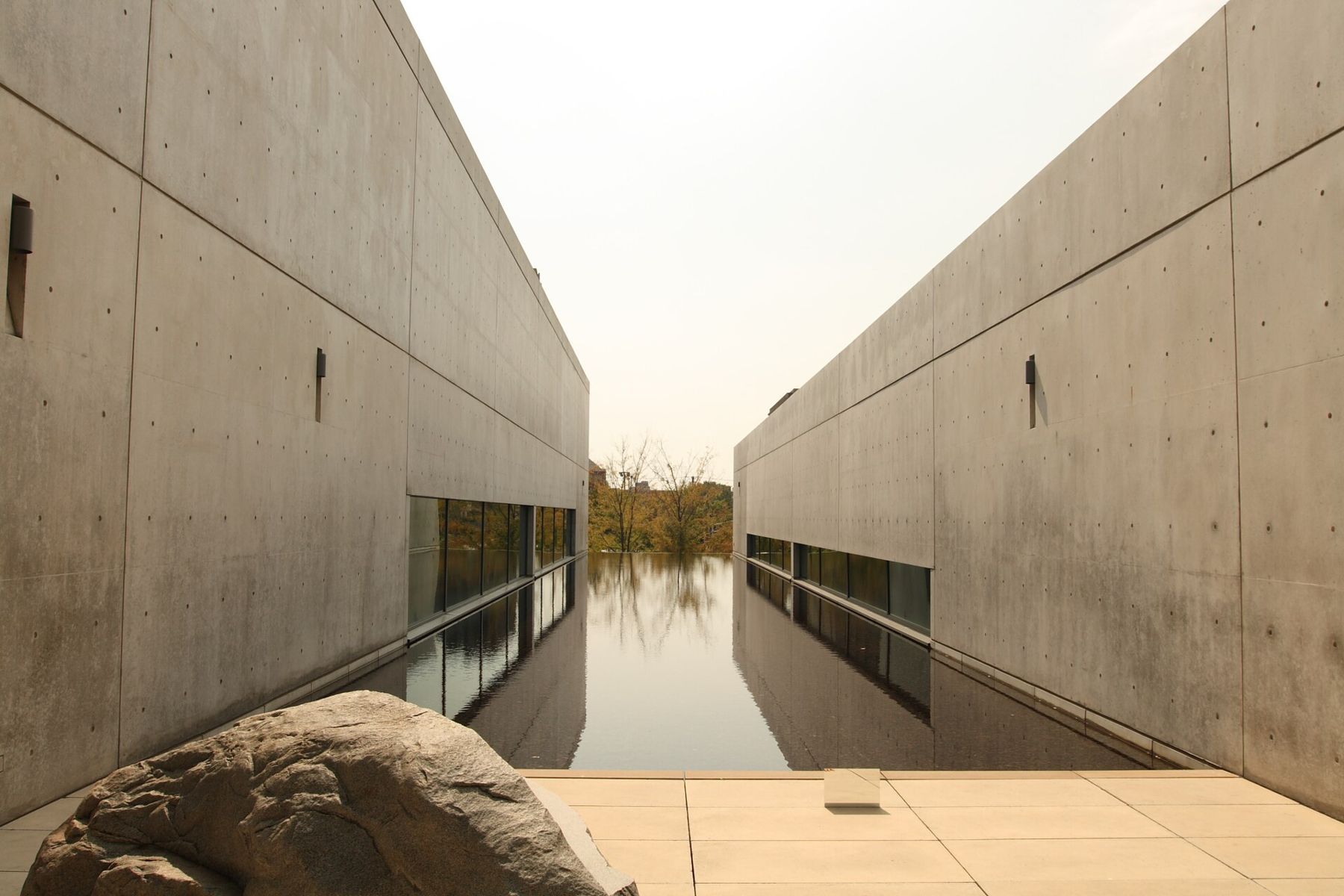
The quietest building on these blocks is the Pulitzer Arts Foundation, opened in 2001. It was designed by the Japanese architect Tadao Ando, and it is a lesson in plainness: smooth walls of poured concrete, long slots of glass, a shallow reflecting pool running down the middle of a narrow court. The building is meant to be walked through slowly, with light and water changing the rooms as the day goes on.
The building is meant to be walked through slowly, with light and water changing the rooms as the day goes on.
Its exhibitions change, usually mixing older and newer art in ways that reward reading the wall texts. A few works live there permanently, including a large curved steel sculpture by Richard Serra in the courtyard and a tall wall piece by Ellsworth Kelly inside. The foundation has long been free to enter; check opening days and whether you need to reserve.
Mile 1.4A railroad palace on Market Street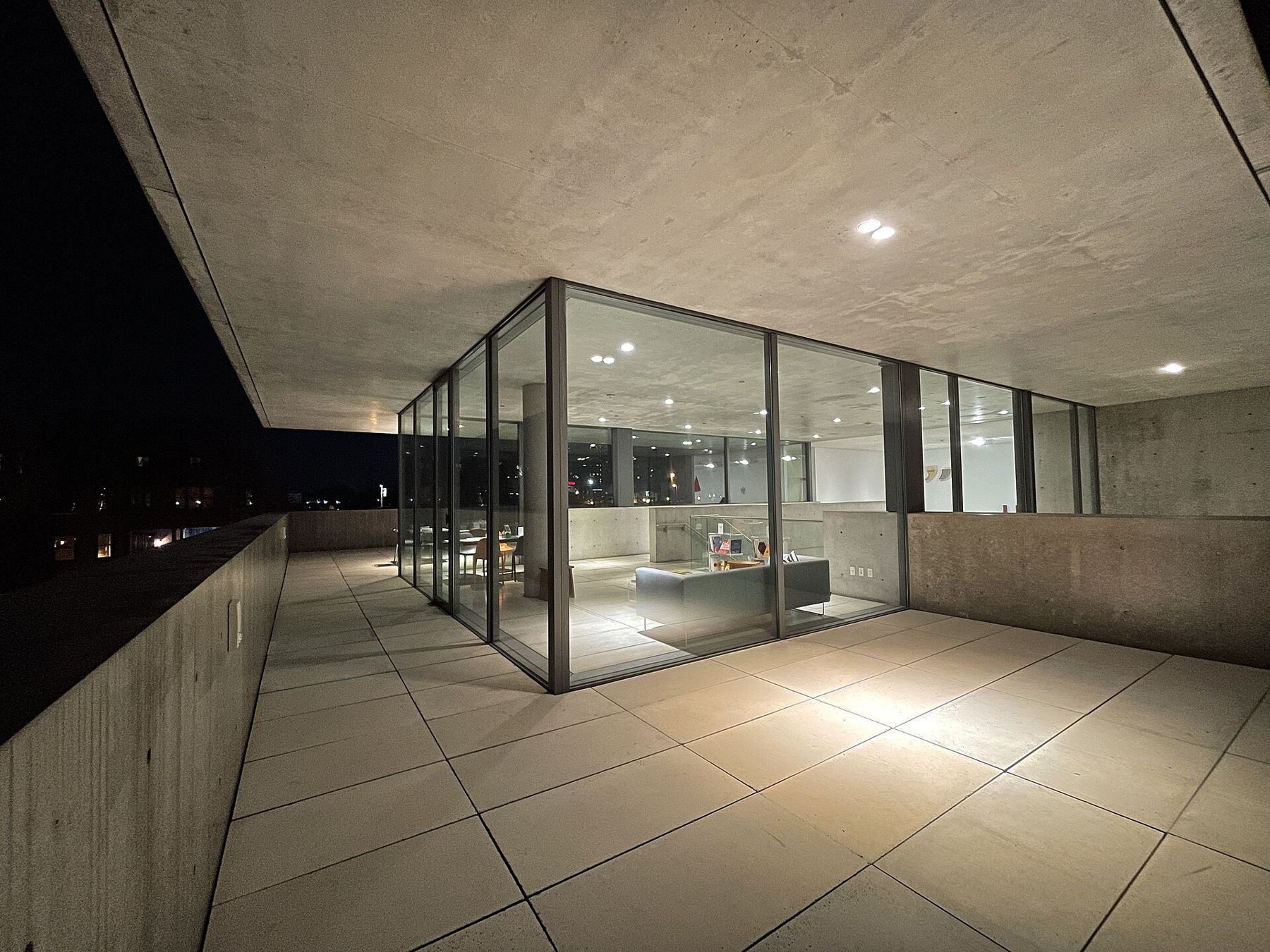
Next door stands the Contemporary Art Museum St. Louis, a plain-walled building that has no permanent collection. It shows changing exhibitions of new work, often by artists early in their careers, and its programs change through the year. The two together make an easy afternoon, an hour or two in each.
Between and around them, smaller arts groups, studios and performance spaces fill old buildings along Washington, Olive and Grand. Some open only for events, so a walk on an ordinary afternoon can feel quiet. Public art pieces and murals turn up on walls and in small plazas, and the side streets have a few of the old apartment buildings and theater fronts that survived the lean decades.
Saint Louis University and the walk south
South of the arts blocks, Grand Boulevard runs into the campus of Saint Louis University, a Jesuit school founded in 1818 and one of the oldest universities west of the Mississippi. Its central buildings, the stone church of St. Francis Xavier with its Gothic spire at the corner of Grand and Lindell, and the open quadrangles along Grand are pleasant to walk through. The university also keeps art and history collections open to visitors in some of its buildings; check what is open.
Farther south, Grand crosses the rail yards on a long bridge to the Grand MetroLink station. It is a walk of a mile or so from the Fox, flat but busy with traffic. Buses run along Grand, and on show nights many people drive and park in the lots and garages around the theaters.
When to go
Grand Center is quietest on weekday mornings, when galleries may be open but theaters are closed. It comes alive on show and concert nights, when the sidewalks fill and the marquees light up. Fall, as the theater and symphony seasons start, is the most lively time. Summer is quieter, with fewer performances and hotter walks.
If you are coming for a show, give yourself time before the curtain to walk the blocks around the theaters. The light on the terracotta in the early evening is the best of the day, and the street fills slowly as the crowd arrives. After a show, the sidewalks are full for half an hour, then empty fast.
As in any city district, use ordinary city sense after dark: walk with the crowds after a show, keep to lit streets and know how you are getting back. On busy nights there are plenty of people about.
Where to go next
From Grand Center, Lindell Boulevard runs west toward the Central West End, a long but pleasant walk under trees. On the way you pass the Cathedral Basilica, whose mosaic interior is the other great room in this part of the city. Beyond it lies the Central West End, and beyond that the park. If you would rather ride, the MetroLink line from Grand runs west to the Central West End station and on to Forest Park.