Early hours at the Saint Louis Zoo
A walk-through aviary left over from the 1904 fair, elephants by a river trail, and general admission that has stayed free: the zoo is best met early, before the Missouri heat.
A zoo that grew out of the fair
The Saint Louis Zoo sits in the southern part of Forest Park, on ground that held exhibits during the 1904 World's Fair. Its oldest structure is the reason it is here at all. For the fair, the Smithsonian Institution put up a huge walk-through bird cage, and when the fair closed the city bought the cage rather than let it be taken down. A few years later the city set aside land around it for a zoo, and the collection grew outward from that wire dome.
The Flight Cage still stands. It is a long arched frame of steel and mesh, tall enough to hold full-sized trees, and you walk through it on a path while birds move overhead and along a wetland at the bottom. Over the years it has been rebuilt and refitted inside, but the outline is the one fair-goers saw in 1904. It is the best place to start a visit: it sets the age of the place and it is cool and shaded in the morning.
Free general admission, and what is not free
General admission to the zoo has long been free, the same as at the city's art and history museums, and that is a point of local pride. You can walk in, see most of the animals, and walk out without paying at the gate. That openness also means the paths fill quickly on warm weekends and school holidays.
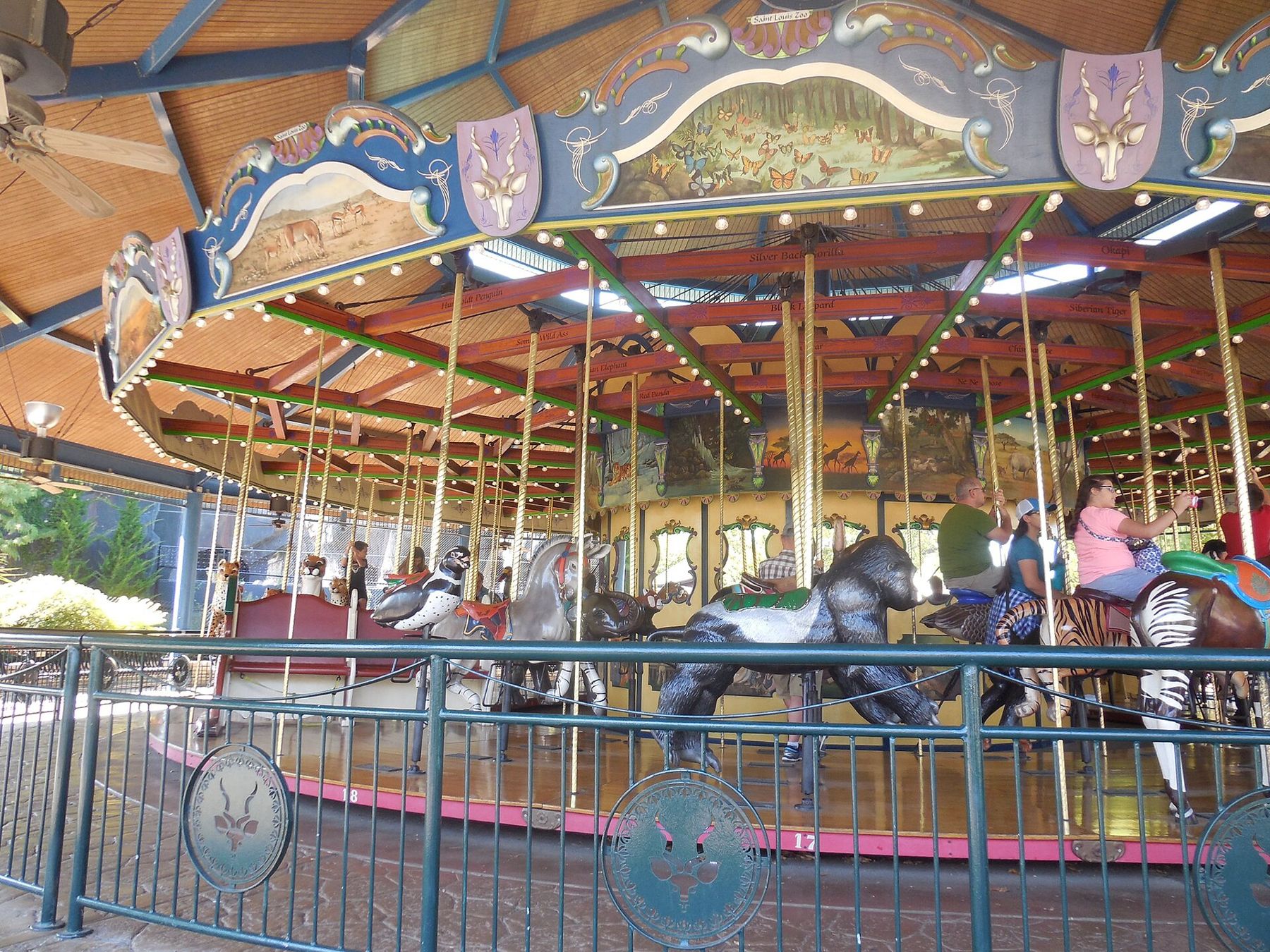
Some things do charge. Rides such as the carousel and the small train, some special exhibits, seasonal events and a few animal encounters have had their own fees, and the zoo's parking lots have charged for parking. Street parking along the park drives is limited and fills early. All of this changes from year to year, so check before you go rather than relying on a figure you heard.
Why to come early
St. Louis summers are humid and hot, often for weeks at a time, and the zoo is mostly outdoors. The animals know this better than the visitors do. Big cats, bears and many of the hoofed animals are moving around in the first hours after opening and are asleep in the shade by early afternoon. If you arrive when the gates open, you get active animals, short lines for the rides, cooler air and, often, a parking spot.
By midday in July the paths can be very warm, with little breeze under the trees. Carry water, plan a break inside one of the animal houses, and think of the visit as a morning outing rather than an all-day one. In spring and autumn the calculation changes: a September afternoon at the zoo can be the nicest part of a trip.
Mile 5.9The museum at the top of Art HillWalking the zoo
The zoo is organized in loose zones spread across a hilly site, and it is bigger than it looks from the entrance. A loop that takes in the main areas is a few miles of walking with some real slopes, so comfortable shoes matter more than a map.
The river trail and the elephants
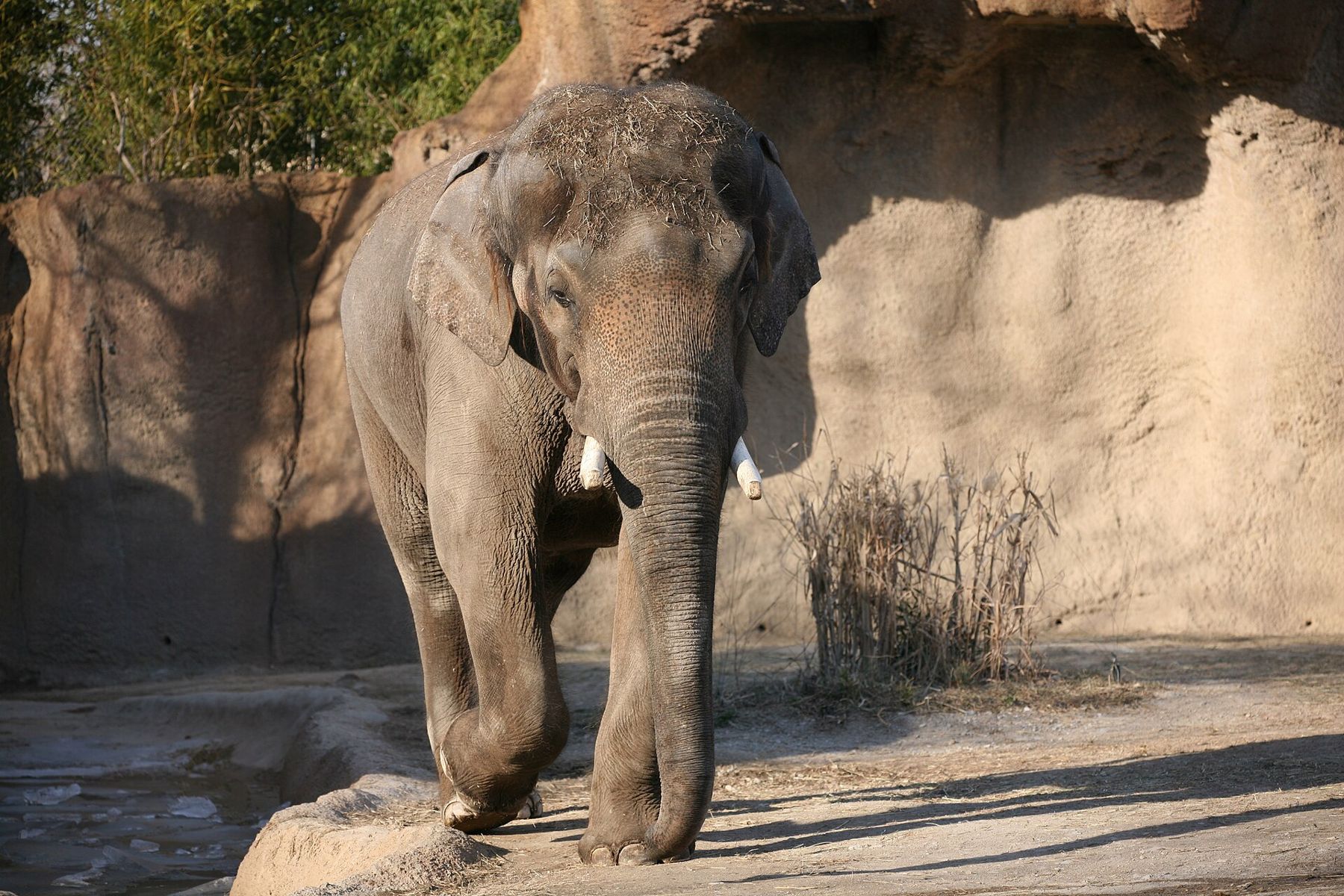
One of the larger areas follows a stream through landscaped hillsides, with Asian elephants, hippos and other animals set into habitats designed to suggest river country. The elephant yards are deep and open, and the herd is often out near the water in the morning.
The older animal houses
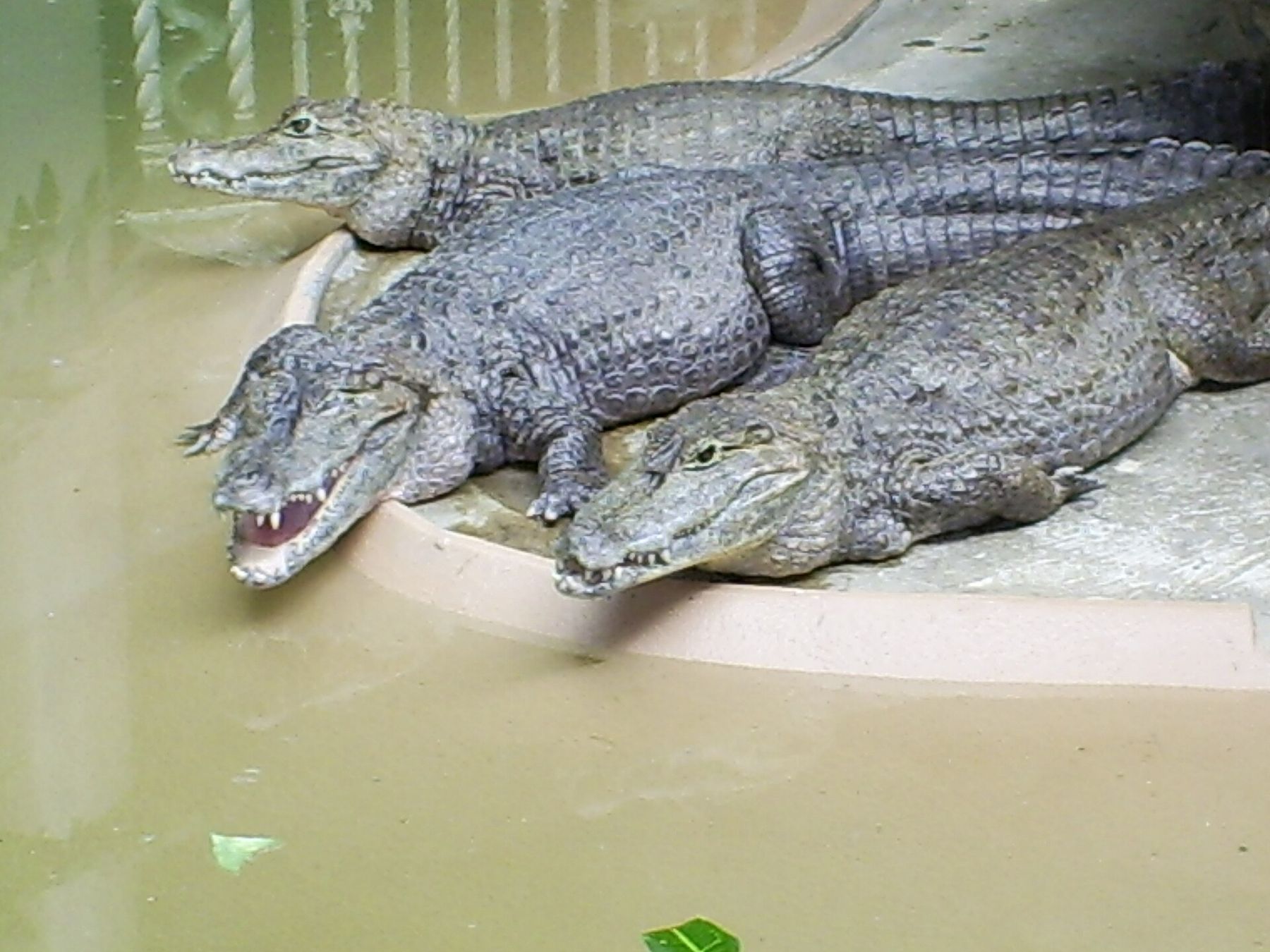
Closer to the center of the zoo stand several of its early buildings: the reptile house, the primate and big-cat areas, and other houses from the zoo's first decades. Their buff brick, carved trim and tiled roofs are a pleasure in their own right, and inside the reptile house the light is dim and the air is steady, a welcome change on a hot day.
The sea lions and penguins
Toward the north side, the sea lion and penguin areas are among the busiest. The sea lion exhibit has an underwater viewing tunnel, and the penguin and puffin house is kept cold year-round, which makes it a favorite retreat in August.
Getting there and around the park
The zoo has entrances on the north side, off the park drive facing the Grand Basin side, and on the south side near the highway. From MetroLink, the nearest station is Forest Park-DeBaliviere on the park's northeast corner; from there it is a walk of roughly half an hour across the park on paths and drives. A seasonal shuttle has served the main sights in Forest Park in some years, so check what is running.
The MetroLink ride out from downtown puts you in the park without dealing with zoo parking at all, and a bicycle is another good answer: the park has a paved loop and racks near the entrances. If you are making a day of the park, the art museum on Art Hill is just to the northwest, and the walk between the two takes you past the Grand Basin.
The Jewel Box and the Muny lie a short distance to the northeast, and all of these places sit within a single loop of the park's paths. Keep in mind that Forest Park is large, and that the distances between its institutions add up by the end of a hot day.
A few practical notes
- Opening hours shift with the season, and some areas close for weather or maintenance. Check before you go.
- Food is sold inside the zoo, and you can generally bring your own snacks and water; the rules on coolers and outside food have varied, so look them up.
- Strollers and wagons are common on the paths. Some areas have rentals, at a charge.
- Summer storms arrive quickly in St. Louis. The animal houses double as shelter, and the paths drain fast once a storm passes.
- As in any busy public place, keep an eye on small children and your belongings in the crowds around the popular exhibits.
Go early, start under the old wire dome of the Flight Cage, and leave before the afternoon heat sets in. That simple plan gives you the zoo at its liveliest and the rest of the day for the park.