A city made of its own ground
Clay under the city's west side, a riverfront fire that changed the building rules, and generations of masons made St. Louis a red-brick town, and gave its bricks a second, troubling market.
The color of the city
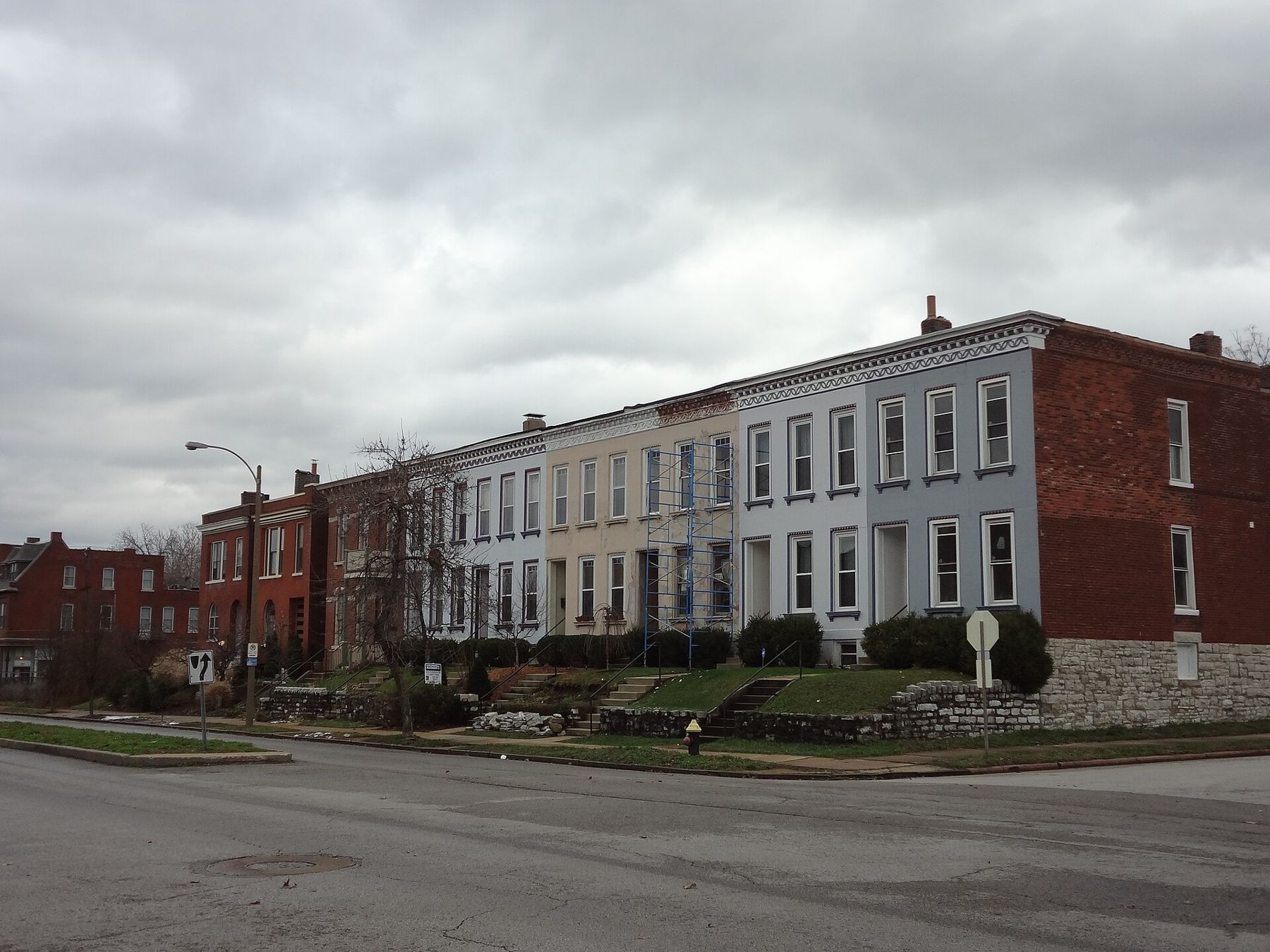
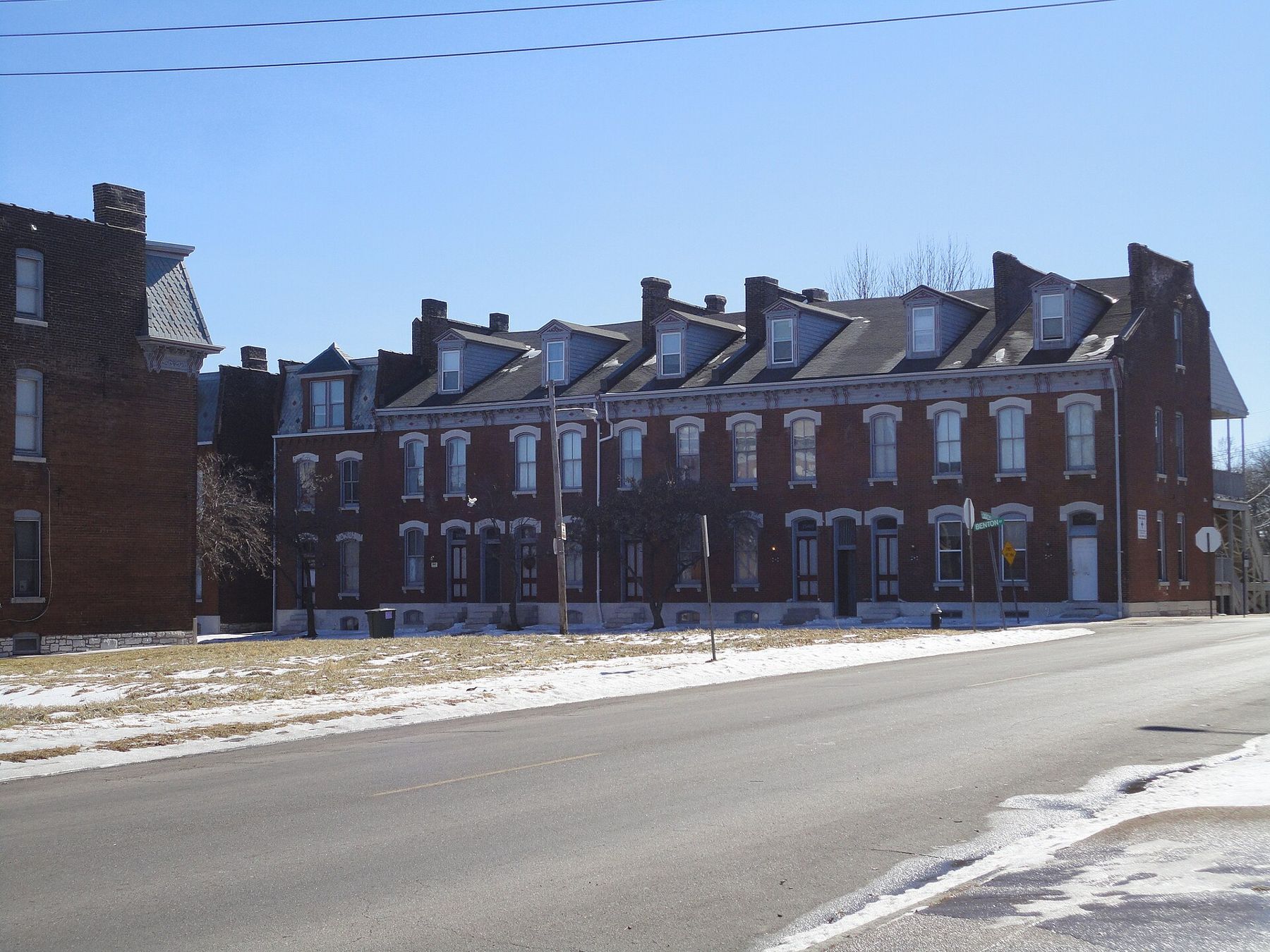
Ride into St. Louis from any direction and the color that holds the view is red. Not the bright red of a new suburban house, but deep reds, oranges and browns, weathered to soft tones and laid in walls a century and more old. Row houses, two-family flats, churches, warehouses, schools, factories and stores share the same material. Whole neighborhoods on the south and north sides are built of brick almost without exception, and even the newer parts of the city often follow suit.
This is not an accident of taste. St. Louis is built of brick because the ground beneath it was full of the right clay, because a disaster made wood unwise and because, for a long stretch of the nineteenth and early twentieth centuries, the city was one of the leading brickmaking centers in the country.
Clay under the west side
The raw material lay close at hand. Deposits of clay ran under parts of the city's west and south sides, including high-quality fire clay that could stand intense heat. From the mid-1800s onward, brickworks dug pits, built kilns and turned out bricks by the millions. Some neighborhoods grew up around the clay pits and the works, and the workers who lived there walked to jobs that literally shaped the city.
St. Louis bricks were shipped across the country, and the city's fire brick, used to line furnaces and kilns, was especially prized. Local masons developed the skills to match the supply. By the late 1800s, brick was simply the normal way to build, whether for a laborer's cottage or a merchant's mansion.
The fire of 1849
The other push came from disaster. In May 1849, a fire broke out on a steamboat moored at the levee. The wind carried flames from boat to boat and then into the town. Before it was over, more than twenty steamboats had burned, and a large part of the old riverfront business district was destroyed. The same year, the city was suffering through a deadly cholera epidemic, which made 1849 one of the worst years in its history.
In the rebuilding that followed, the city adopted rules requiring new buildings in the central district to be built of brick or stone rather than wood. Over the following decades, similar requirements spread across more of the city. Brick was already cheap and plentiful; now it was required. The wooden town of the early riverfront gave way to the brick city whose descendants line the streets today. The warehouse streets of Laclede's Landing are one of the few places near the river where you can still see buildings from the decades after the fire.
Reading the patterns
Once you start looking at St. Louis brick, you notice that it is rarely plain. Masons used the material as decoration as well as structure, and the details tell you something about when and for whom a building was built.
- Corbeled cornices. At the tops of walls, bricks are stepped out in layers to form shadows and patterns, a cheaper alternative to stone or metal trim.
- Arches over windows. Many windows are topped by shallow arches of bricks set on end, sometimes in a contrasting color.
- Patterned bonds. The way bricks are laid, long side or short end out, creates patterns across the wall.
- Colored mortar. Mortar tinted to match or contrast with the brick changes the look of a wall at a distance.
- Molded and glazed brick. Better houses used specially shaped or glazed brick for trim, and some walls mix colors in deliberate designs.
The south side is the best place to see the range. Streets in neighborhoods like Soulard, Benton Park, Fox Park and the area around Lafayette Square are lined with houses from the 1860s through the 1910s, and you can trace the changes in style from block to block. The houses around the Missouri Botanical Garden show the later, more ornate end of the tradition.
Brick that walks away
The city's brick also has a darker story. St. Louis lost a large share of its population in the second half of the twentieth century, and many neighborhoods, especially on the north side, were left with empty houses and vacant lots. Old St. Louis brick, weathered and of good quality, has value on the salvage market, where reclaimed brick is sold for new construction and landscaping in other parts of the country.
For years, thieves have taken advantage of this. They strip the brick from vacant buildings, sometimes pulling down walls or, in some cases, setting fires to weaken a structure so it can be pulled apart. The bricks are cleaned, stacked on pallets and sold. The theft has hastened the loss of historic buildings in neighborhoods that were already struggling, and the city and residents have worked to secure buildings and prosecute thieves.
This is a sensitive subject in St. Louis, tied to the deeper history of disinvestment, segregation and the demolition of neighborhoods such as Mill Creek Valley. It is not a reason to avoid any part of the city, but it does explain the gaps you may see in some blocks, where a single house stands alone among empty lots.
Seeing it for yourself
You do not need a guide to appreciate St. Louis brick. Walk any older street on the south side in the late afternoon, when low sun brings out the color and the shadows of the cornices. The MetroLink ride across the city also gives a good overview: from the train, you can see brick warehouses, factories and houses along the old rail corridor.
A few tips:
- Respect private property; many of the finest houses are homes.
- Look up: the best details are often at the top of the wall.
- Compare neighborhoods: the north side, south side and central corridor each have their own character.